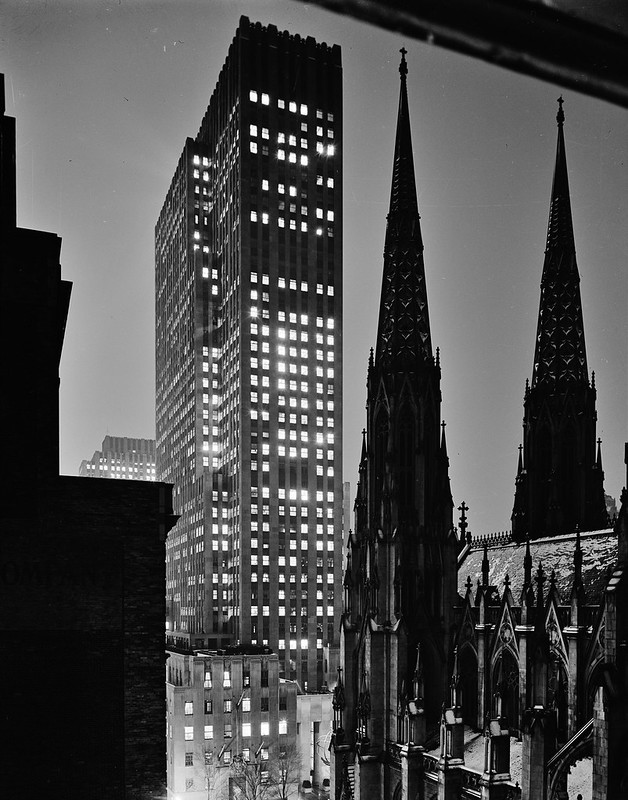
Urban fantasy is a hot genre right now. You see works labeled as such in stores, sold on Amazon, talked about in online forums. But what IS it, anyway? Well, as someone who is writing a book that falls under the urban fantasy genre, I thought maybe I should dedicate some time to explaining my take on things. After all, words are just words until they’re explained, and genre names get bandied about too casually as it is.
You got two words, urban and fantasy. Okay, let’s break that down. “Fantasy” is magic and the supernatural and things that can’t be explained by science. Dragons and wizards and monsters and such. “Urban” is cities and industrialization and modern technology. So, urban fantasy is … fantasy in a city?
Merriam-Webster.com defines urban fantasy as follows: A genre of imaginative fiction featuring supernatural characters or elements in an urban setting.
So, fantasy in a city.
That seems a wee bit limiting, don’t you think?
In my humble opinion, the name is a misnomer. “Urban” is misleading. This is a genre that encompasses far more than just metropolises and towns. What about fantasy stories in a tiny hamlet in midwestern America or rural England? What about a story that takes place on a ship at sea, or in a forest cottage? I propose my own revised definition, because as an aspiring writer who hasn’t even been published yet, I’m TOTALLY qualified to do that, heh, heh.
Urban Fantasy: Any work of imaginative fiction featuring supernatural characters or elements in the modern day.
That’s a good start. It’s broader, but still succinct. But it’s missing something. It’s still not quite right.
There are plenty of fantasy works that take place in modern day that aren’t technically urban fantasy. Take Harry Potter, for example. Sure, the series takes place in the modern era, but its primary setting is so far removed from our mundane existence that it could be mistaken for a straight fantasy. Rarely do the supernatural elements interact with the “real” world. Sometimes, sure, but it’s not the core of the setting. Compare this to, say, The Dresden Files, which features the supernatural interacting with real life on a more consistent basis. In a pure urban fantasy, the magical and mundane collide regularly.
That’s the fun of the genre. Two disparate worlds clashing and coexisting. Goblins and fairies living alongside soccer moms and salarymen. The contrast is the striking and memorable part of urban fantasy. It’s like driving down a busy street and seeing uniformed men on horseback trotting past you.
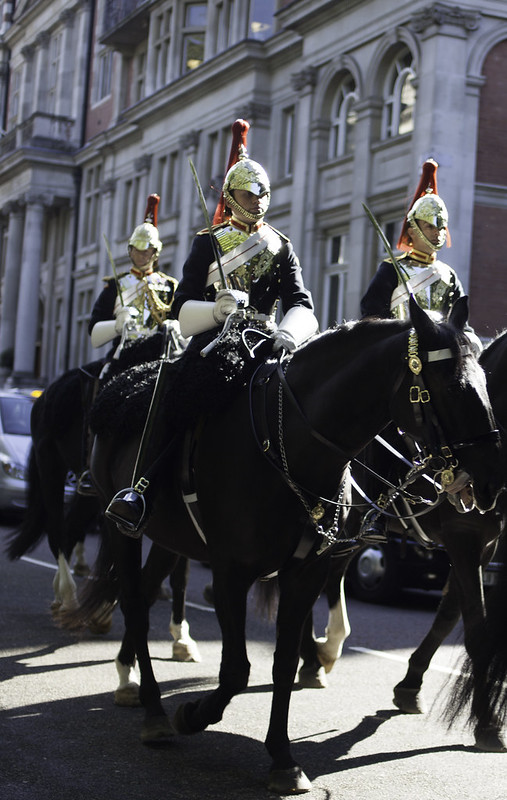
So, here’s a revised definition. Urban Fantasy: Any work of fiction that features supernatural and magical elements juxtaposed with real life in the modern day.
That sounds a bit better, doesn’t it? We’re getting at the themes of the genre. How does magic exist alongside the real world? Does the fantastical hide itself, or does it live alongside what the readers recognize as normal? How do the two sides interact?
“Urban” fantasy covers a far broader range than its name suggests. My hope is that anyone who decides to pursue this genre, either for consumption or to create their own stories, won’t feel constrained by the label.
Enjoy what you’re reading? Subscribe by email for updates on new posts and follow my writing career, musings on fiction and storytelling, and reflections about life in general.
 Jake W. Powell