Success Takes Time

What’s something you believe that everyone should know?

Success takes time.

However you measure success – whether through contentment, accomplishing certain tasks, reaching certain milestones, or even just getting through the week – it takes time. Nothing comes instantly, especially nothing worthwhile.

When I say “time,” I don’t mean, “A few minutes” or even “A couple hours.” Days. Weeks. Sometimes, even years.

Cooking a good meal takes time. Reading (or writing!) a book takes time. Building your dream house takes time. Working up to your dream job takes time. Becoming a billionaire takes time. Building an intergalactic empire takes time.

Well, maybe don’t hold high expectations for that last one …

Anyway, if you have a goal and want to achieve it, expect to put in the hours. Nothing comes instantly or for free. Whatever you do, know that you will be putting in the hours and the sweat and maybe a few tears, as well.

***

Many thanks for visiting my blog. I post updates on my writing career, I muse over storytelling and fiction, and I reflect on the curious and wonderful things in life.
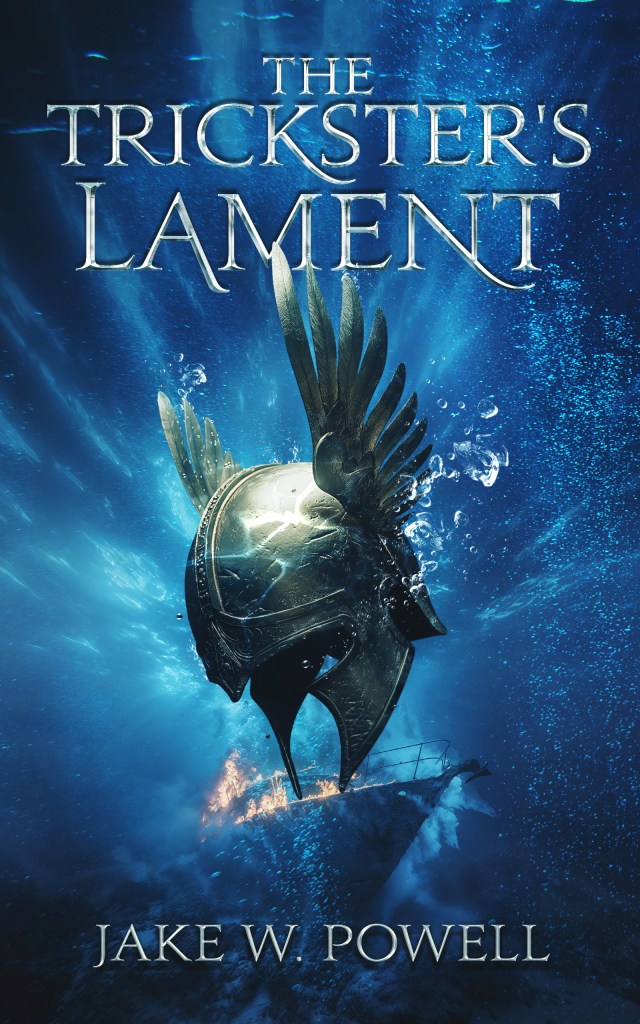
“Hermes is not having the best time. He walks a fine line, and his duty as messenger of Olympus weighs heavily on him. Being a god in the modern age means living in a world that no longer believes in gods. How much can one deity accomplish when no one respects him anymore? And why do his instincts tell him that he, the son of Zeus, is losing favor with his own family?

Tensions abound. The upstart Young Gods play dangerous games using entire cities as their boards. Formless monsters strike from the nighttime shadows, terrorizing hapless mortals. Agents of rival pantheons scheme to thwart Olympus’ designs. In the thick of it all, Hermes does what he does best: trick, lie, and cheat his way to victory.

A Little Room for Failure

Heeded my words not, did you? Pass on what you have learned. Strength, mastery. But weakness, folly, failure also. Yes, failure most of all. The greatest teacher, failure is.

Master Yoda, The Last Jedi

Leave it to the most controversial Star Wars movie to present one of the best lessons in the series. While people debate and rage over The Last Jedi’s merits as a film, an extremely valuable and important real life lesson slips by unnoticed. Somehow appropriate, in a poetic sort of way.


Failure is a fact of life, and it sticks with you more than success. It has a knack for engraving itself in your memory, whereas success is more like a sticker that peels off easily.


But what wise Master Yoda says (and many, many others beforehand – the quote didn’t originate with him) is true: Failure is a teacher. Do we learn from success? We are supposed to succeed, says society at large, and thus we tend to take it for granted. The shock of failing is a slap in the face. The wise person takes time to evaluate this shock and think over what went wrong.


When you fail and learn how you failed, you understand how to avoid making the same mistakes. You also learn generally uncomfortable truths, such as the limits of your abilities, your blind spots, skills that you need to practice or simply don’t have. So, you can either fail and learn and move on with life, or fail again and again in the exact same way, refusing to learn at all. Which is worse?


Failure is good and, dare I say, healthy. Kids should be allowed to fail at school. We shouldn’t be scared to let our children flunk exams. They’re in school to learn, so let them learn. And we adults aren’t so infallible, either. We mess up and trip over problems and don’t always make the right choices. We’re always learning, from our own mistakes and from others’.


So, don’t be afraid of failure. It will happen. When you goof up, it’s better to learn and move on than brood over a missed victory. Life has plenty of victories, but they tend to stay mum over their secret. Failure is always eager to teach.

***

Many thanks for visiting my blog. I post updates on my writing career, I muse over storytelling and fiction, and I reflect on the curious and wonderful things in life.

“Hermes is not having the best time. He walks a fine line, and his duty as messenger of Olympus weighs heavily on him. Being a god in the modern age means living in a world that no longer believes in gods. How much can one deity accomplish when no one respects him anymore? And why do his instincts tell him that he, the son of Zeus, is losing favor with his own family?

Tensions abound. The upstart Young Gods play dangerous games using entire cities as their boards. Formless monsters strike from the nighttime shadows, terrorizing hapless mortals. Agents of rival pantheons scheme to thwart Olympus’ designs. In the thick of it all, Hermes does what he does best: trick, lie, and cheat his way to victory.