The most important invention in your lifetime is…
The smartphone. Not the cellular phone in general, but specifically the smartphone with its advanced computing capabilities, online access and instant information retrieval.
Cell phones have been around a long time, before I was born, but the smartphone came into its own during my lifetime. Funny how science fiction seems to predict these things. Star Trek had those little handheld doodads that could scan anything and tell you if somebody was sick or healthy or mindmelded by Vulcans or whatever, and nowadays we have near-identical gadgets that can scan, measure distances, forecast the weather, monitor health, take pictures, and far too many other things.
Smartphones are interesting devices because few of their features are truly new, but they are devices that can do everything at once. That’s their significance – the number of features contained within one item. All that plus instant communication via phone call, text or email. That sort of versatility and the speed with which one can look up info and immediately apply it to the situation at hand make smartphones into what I consider the most important invention developed during my lifetime.
***
Many thanks for visiting my blog. I post updates on my writing career, I muse over storytelling and fiction, and I reflect on the curious and wonderful things in life.
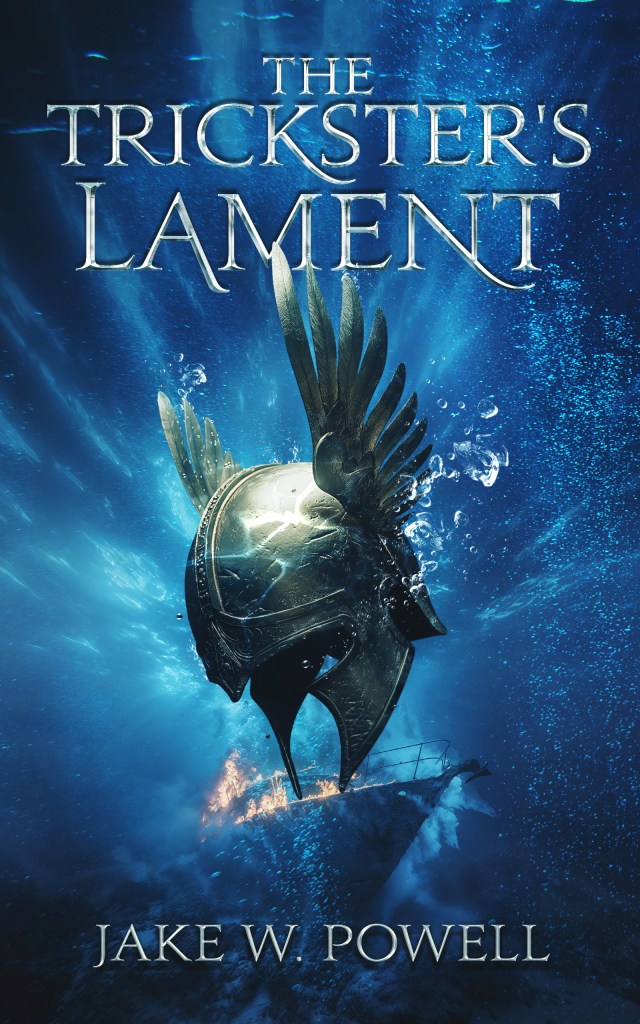
“Hermes is not having the best time. He walks a fine line, and his duty as messenger of Olympus weighs heavily on him. Being a god in the modern age means living in a world that no longer believes in gods. How much can one deity accomplish when no one respects him anymore? And why do his instincts tell him that he, the son of Zeus, is losing favor with his own family?
Tensions abound. The upstart Young Gods play dangerous games using entire cities as their boards. Formless monsters strike from the nighttime shadows, terrorizing hapless mortals. Agents of rival pantheons scheme to thwart Olympus’ designs. In the thick of it all, Hermes does what he does best: trick, lie, and cheat his way to victory.“

 Jake W. Powell