A couple years ago, I wrote a blog post titled “No Author is an Island.” I stand by what I wrote in that article. Now, with more experience, I can also add to it.
An author is dependent on his beta readers, editors, and cover artists to make his book the best it can be. No one works in a vacuum. Most of all, though, the author shares a unique relationship with his readers. A writer creates a world and story for the readers to explore and inhabit. The readers, in turn, discover things in that world the author wasn’t even aware he put in.
Readers are the final test of my story. They see things that I do not, perceive story beats differently, take away points that I was unaware of. Everyone experiences a book differently. We writers so often write for ourselves, to fulfill that perpetual itch to create. And yet, like all artists, we are not all-knowing. We may very well not fully understand the implications of our own work, but we discover new facets of our creations through feedback from the audience.
This sometimes means loosening our grip on our stories. I know what I wrote. I know what my intentions are. But I must accept that the world is full of people with all manner of backgrounds and opinions. When I publish a book, it goes out into the world, and every reader will see it differently. Sure, there will (hopefully) be some common agreement, since I do strive to make my plots and characters consistent, but I don’t have complete control over interpretation. Such is the wonder and sorrow of applicability.
***
Many thanks for visiting my blog. I post updates on my writing career, I muse over storytelling and fiction, and I reflect on the curious and wonderful things in life.

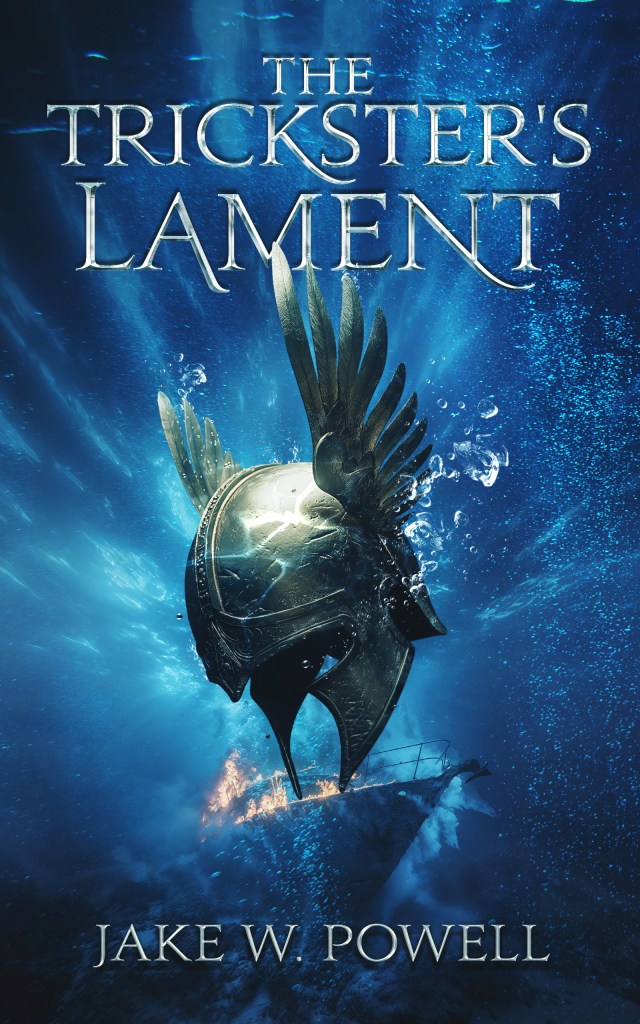
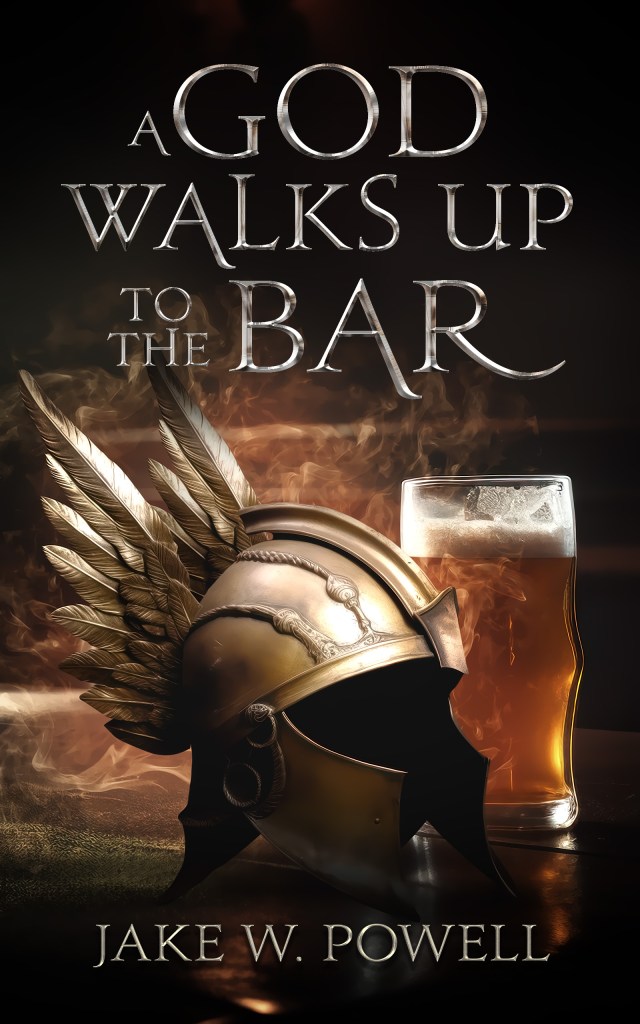
“Hermes is not having the best time. He walks a fine line, and his duty as messenger of Olympus weighs heavily on him. Being a god in the modern age means living in a world that no longer believes in gods. How much can one deity accomplish when no one respects him anymore? And why do his instincts tell him that he, the son of Zeus, is losing favor with his own family?
Tensions abound. The upstart Young Gods play dangerous games using entire cities as their boards. Formless monsters strike from the nighttime shadows, terrorizing hapless mortals. Agents of rival pantheons scheme to thwart Olympus’ designs. In the thick of it all, Hermes does what he does best: trick, lie, and cheat his way to victory.“



 Jake W. Powell