I’d be lying if I said I didn’t care if I live a long life so long as it was a “meaningful” or “productive” one. The survival instinct is strong. I want to live as long as I am able to because I value my life, I don’t want to sadden my friends and family, and I enjoy life. And even if life were miserable and burdensome, I would still want to live on, if not for my own sake, then for the sake of others.
And yet, the issue is more complex than that, because I also believe that better a short and healthy life than a long and poor one. To live 90 years and have half those years be spent in perpetual sickness brought on by poor life choices or chronic illness would be a terrible thing. Would I rather I spent my days in and out of the hospital like a revolving door?
It’s easy to be glib with phrases like “I would rather die” when battered by life, but the reality is that the vast majority of humanity wants to keep living regardless of quality of life. Life in and of itself matters.
To the extent upon which it depends on my choices, I want to live a long life. I want to live healthily and happily. And ultimately, I want to live, period. In suffering and in happiness, I want to live.
Life is a chain reaction. Our lives create ripples that touch others and, to perhaps an even greater degree, so do our deaths. Life is lived not only for myself, but for those around me. Even strangers are affected by my life, and mine by theirs. Not something to take lightly.
Ultimately, the concept of a long life is one of ups and downs, struggles and victories, joys and sorrows. Life is meant to be lived, for however long we are on this Earth.
***
Many thanks for visiting my blog. I post updates on my writing career, I muse over storytelling and fiction, and I reflect on the curious and wonderful things in life.

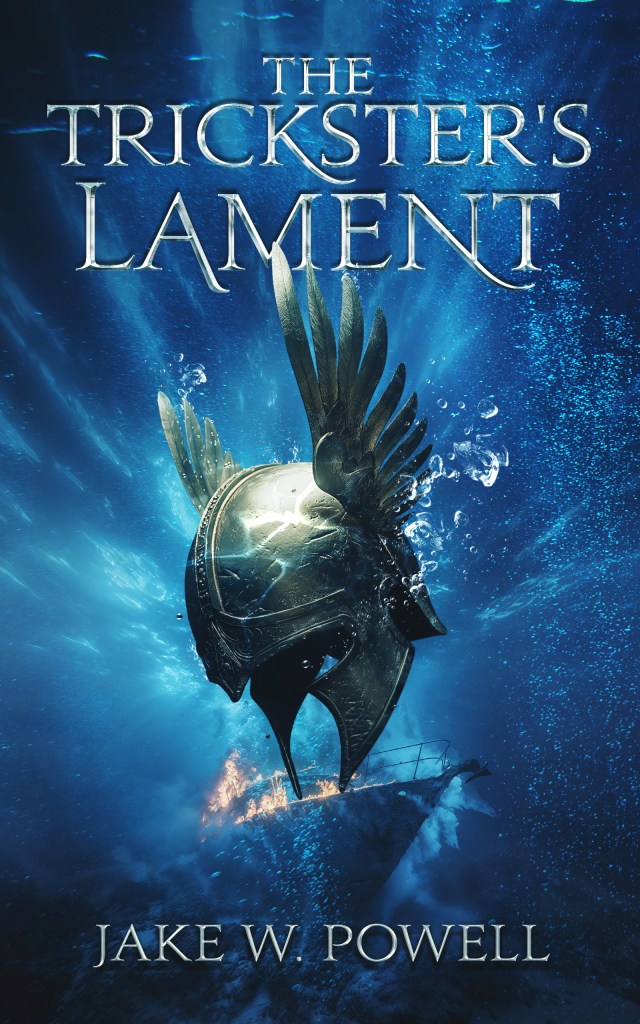
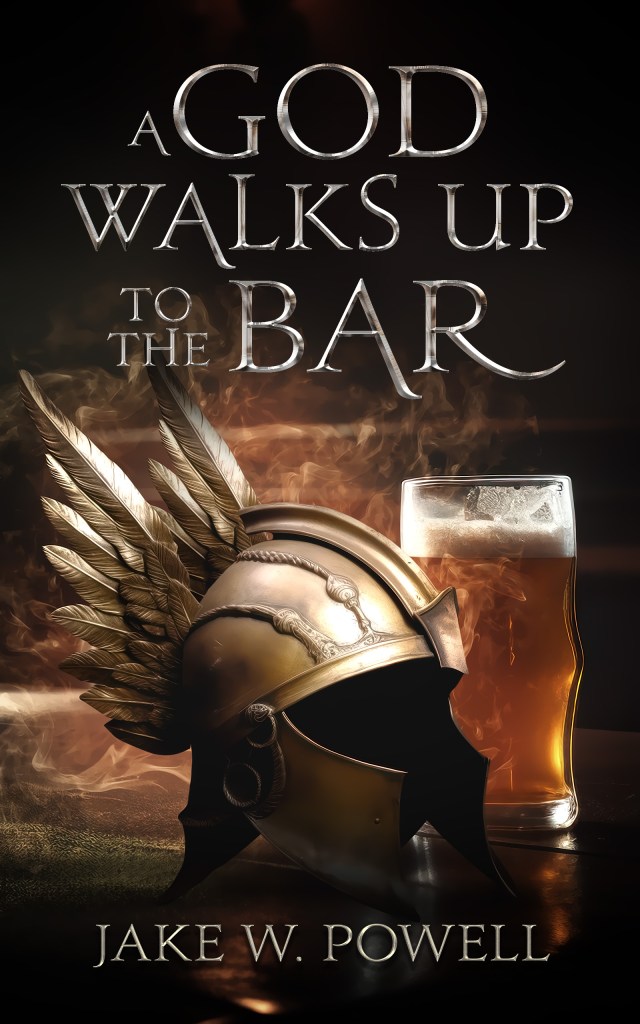
“Hermes is not having the best time. He walks a fine line, and his duty as messenger of Olympus weighs heavily on him. Being a god in the modern age means living in a world that no longer believes in gods. How much can one deity accomplish when no one respects him anymore? And why do his instincts tell him that he, the son of Zeus, is losing favor with his own family?
Tensions abound. The upstart Young Gods play dangerous games using entire cities as their boards. Formless monsters strike from the nighttime shadows, terrorizing hapless mortals. Agents of rival pantheons scheme to thwart Olympus’ designs. In the thick of it all, Hermes does what he does best: trick, lie, and cheat his way to victory.“

 Jake W. Powell