When You Feel Like You Don’t Have Enough Time…

Old Clock” by Davmi Pics is licensed under CC BY 2.0.

Do you ever feel the crunch of time? Like your to-do list is too long to fit into the hours in the day? You feel those minutes sliding by and try to cram in as much as you can. But it just isn’t enough, and you concede defeat to the march of time.

So much to do, and so little time. If only we could do it all in one go. If only we could freeze the clock in place and do everything we ever wanted to do for as long as we wanted. What a dream, huh? But what does that say about the things we do manage to accomplish when time is short?

Maybe it’s not comfortable to think about the fact that we accomplish, first and foremost, the things that matter most to us. Maybe we don’t want to think about what that says about us if we go first to the couch to watch TV, put together a jigsaw puzzle, play video games, or eat junk food. What do we prioritize? What matters most to us? Do we want to peer into that corner of ourselves?

Most of the items on our checklists are personal indulgences. A lot of the things we feel we must do are really just trifles that we enjoy more than taking out the trash or cleaning the house. Hey, entertainment is more fun than chores. That’s why it’s called entertainment. We like to have fun, and in a world where most of our time is consumed by business and work, we try to sneak it into the 16 or 18 hours we spend awake.

I find that there is a difference between what we want to do and what we actually do. The first is our conscious preference. The second is what we subconsciously place real value on. I suspect we don’t even realize it unless we’re paying close attention. We don’t recognize what we hold dear until forced to choose between this or that to wrap up in the last hour. Time crunch can lead to interesting revelations.

But how much do we really have to do in 16 hours? We tell ourselves that “this and that” must be finished, and “this and that” turns into “anything and everything.” A bit of a self-imposed burden, isn’t it? I’m not preaching procrastination, but rather that most of the troubles we face in task management is self-imposed. Cramming means we don’t want to compromise. It’s all or nothing! I want to do everything I want to do and I’m not going to cross anything off today’s to-do list! And we wear ourselves out, not from hard work, but from the exhaustion of trying to satisfy the expectations we’ve built up in our heads.

There’s more time in the day than we may think, because so many of the things we convince ourselves are absolutely vital are really just busy work and trifles. If we were to strip away everything except what is truly important in our lives, we’d end up with a much shorter list. Because those are the things we will dedicate time to. Those are the things we truly value and will not sacrifice.

Take a step back and look not at what you plan to do, but at what you actually do during the day. You may be surprised at what you see.

The gods and beings of ancient myth never went away. They just moved on with the times.

My book, A God Walks up to the Bar, is currently available on Amazon.com. Venture into the world of the Greek god Hermes, a world filled with demigods, vampires, nymphs, ogres, magic, and trickery. It’s a tough job, being a god!

Enjoying my blog? Don’t want to miss a single post? Subscribe for updates on when I post and follow my writing career, musings on fiction and storytelling, and reflections about life in general!

Lessons I Learned Writing My First Book, Part 5: Humility

What’s the greatest challenge you face as a writer? The hours of hard work spent crafting your story? Pushing back against writer’s block? Trying to research a key piece of your book that you can’t quite get right? Finding a publisher? Finding the money to publish independently?

After all the effort you put into your book, there comes a point where you crave vindication of your efforts. After everything is said and done, you put it out onto the market and …

Where’s the jubilee? Where’s the praise? It’s MY book, it’s MY effort. Don’t I deserve it?

And here comes a hard truth: No, you actually don’t.       

We should all dream big, because big dreams encourage us to strive for excellence. But dreams alone are not the key to any sort of success. Hard work, diligence, and consistency are far greater allies in that regard. It’s easy to look at examples of literary success and think that somehow, through the mere act of wanting, we not only are able to join them, we deserve to join them. To stand up there with Hugh Howey, Brandon Sanderson, Dan Abnett, Jim Butcher, Ursula K. Le Guin, Terry Pratchett, et al.

Or, going even further, to see ourselves as the next William Faulkner or Charles Dickens or F. Scott Fitzgerald. And then we complete our book, we’re proud of it, and we put in on the market and … it’s another book.

A good book, maybe, but there are no laurels or songs or movie deals. It’s a book. One among hundreds of thousands. Roll up your sleeves if you want to get more notice, because it won’t get noticed by itself. You’re an author. Not THE author, not the greatest author. An author.

Harsh? Maybe. But eating humble pie is a bittersweet affair. Reflecting on my journey to where I am now, I’m darn proud of what I’ve done. I enjoyed writing my book, and I’m enjoying starting my second one. If I wanted glory, I’d pursue a different profession.

It still stings a little, though.

Humility comes in many different forms. Sometimes it whirls in and knocks us off our haughty high ground. Sometimes it’s a series of events that remind us we’re not as self-important as we thought. Sometimes, it’s doing something that others look down on as unimportant. It’s not something that’s enjoyable to learn (a running theme with my past few articles, I’m noticing) but, as I’ve already said before, it’s necessary. Pride and egotism can take a good job and hard-earned goodwill built up with your audience and turn it to ash. We’ve all seen it. Maybe you’ve even been there before.

Keeping ourselves in perspective can, I hope, help us to understand our place in the very big and crowded world of publishing and, rather than discourage us with delusions of insignificance, drive us to work harder toward a successful and fulfilling career. Humility helps us see ourselves clearly and to see the things we can do to make ourselves the best people we can be.

The gods and beings of ancient myth never went away. They just moved on with the times.

My book, A God Walks up to the Bar, is currently available on Amazon.com. Venture into the world of the Greek god Hermes, a world filled with demigods, vampires, nymphs, ogres, magic, and trickery. It’s a tough job, being a god!

Enjoying my blog? Don’t want to miss a single post? Subscribe for updates on when I post and follow my writing career, musings on fiction and storytelling, and reflections about life in general!

Lessons I Learned Writing My First Book, Part 4: Patience

Waiting, waiting, waiting. All things come to those who wait, or so they say. It’s a bit glib, isn’t it? Besides, waiting is only half the game.

Patience isn’t just about waiting. It’s about focus. It’s about working without complaint. It’s about denying yourself instant gratification in favor of long-term benefits. It’s about enduring the terrible uncertainty of whether your hard work will pay off.

It’s not … fun, per se. It’s useful. And, in the words of knowing parents everywhere, patience “builds character.”

As you may have already gathered from my previous ramblings, writing isn’t a fast process. Therefore, it takes patience. And I learned to be so while writing and publishing my book. But you know what? The writing part wasn’t where patience came into play for me. I LIKE writing, so it never felt dull or slow.

The real test was submitting my work for beta reading and editing. Not because the people I worked with took an unduly long time to respond, mind you. I’ve had the pleasure of working with great people. But it tested ME. Waiting for critiques, I could only think, “What will others think of my book? Is it good enough? Is it bad?” And I couldn’t get instant feedback and sate my desires to know. I had to sit back and wait.

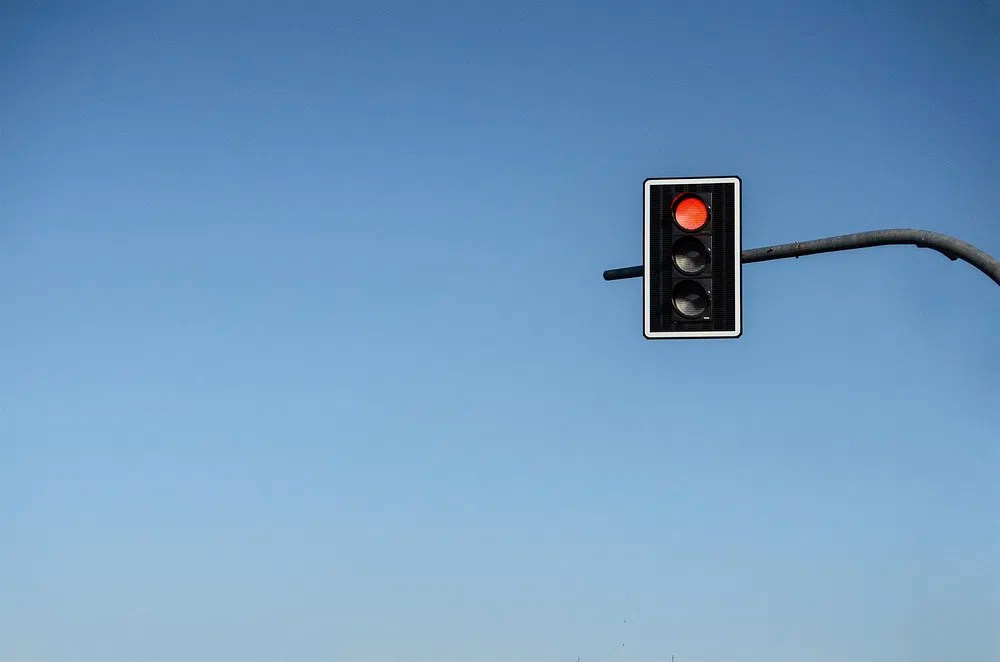
There’s fear in the waiting, sometimes. Patience requires a modicum of courage. The horrible question, “What if?” pervades our minds when we think about what COULD happen. And the longer we wait for something, anything, the more “What if?” needles our minds. What if my book is bad and nobody likes it? What if I don’t get to my child’s rehearsal in time because of this red light? What if I can’t get off work in time because of this one slow customer? And so on and so on.

So, I was tested. I had to wait in inaction for a little while. I didn’t like it, but watcha gonna do? And there is a certain cathartic relief when your patience pays off and the wait is over. Delayed gratification and all that.

Discipline, perseverance, and patience. These qualities are like muscles. They must be exercised on a regular basis to grow strong. My last lesson, however, is the hardest because it is something we can’t directly govern. Life is happy to teach it, and we either learn … or we don’t. I’ll discuss it in more detail in my next post.

The gods and beings of ancient myth never went away. They just moved on with the times.

My book, A God Walks up to the Bar, is currently available on Amazon.com. Venture into the world of the Greek god Hermes, a world filled with demigods, vampires, nymphs, ogres, magic, and trickery. It’s a tough job, being a god!

Enjoying my blog? Don’t want to miss a single post? Subscribe for updates on when I post and follow my writing career, musings on fiction and storytelling, and reflections about life in general!
Lessons I Learned Writing My First Book, Part 3: Perseverance

Seventy-eight, seventy-nine, eighty …

Do you like doing pushups? What about arm curls? Or squats?

Eighty-five, eighty-six, eighty … eighty-seven …

They can take a lot out of you. How often have you been tempted to stop halfway through your exercise routine?

Ninety … ninety … ninety-FIVE … Ninety … SIX.

Or have you only gone as far as you could before the burn set in?

Ninety-NINE … ONE … HUNDRED.

Perseverance is when you keep going even when your body and mind don’t want to.

There’s an element of stubbornness in persistent people. They refuse to give up or go home when things are looking down, when the weather is cruddy, when they just want to curl up and sleep the afternoon away. Perseverance is the tenacious insistence on never leaving a task half-done.

Writers need to persevere. We need to never give up no matter the circumstances. How many books have been left half-finished, never to be read by others? How many books have never been written at all?

The most important thing, I’ve found, is to focus on the end goal. It’s easier (not easy, mind you, but certainly more bearable) to stick with it when you know how close you are to the end. And as I look back, I see how quickly that work time passed. Rather than focusing on present difficulties with drafting my book or stumbling over writer’s block, I quietly focused on the goal of finishing and publishing. It really does help.

Sometimes, I felt like I had nothing worthwhile to say, or that nothing I did say could measure up to other authors. What do you do during such times? You motor on. Perseverance is, quite simply, never giving up.

There’s a lot of books that will never be written. I take satisfaction in putting one more out into the world.

The gods and beings of ancient myth never went away. They just moved on with the times.

My book, A God Walks up to the Bar, is currently available on Amazon.com. Venture into the world of the Greek god Hermes, a world filled with demigods, vampires, nymphs, ogres, magic, and trickery. It’s a tough job, being a god!

Enjoying my blog? Don’t want to miss a single post? Subscribe for updates on when I post and follow my writing career, musings on fiction and storytelling, and reflections about life in general!

Lessons I Learned Writing My First Book, Part 2: Discipline

You’re running at a steady pace. You’ve been running for the past thirty minutes. Sweat streams down your back and drips from your brow onto your nose and neck. The marathon is halfway done. Only halfway. Your thoughts stray. You think of a cold glass of water. You think of resting – just for a moment – and catching your breath. Or maybe longer than a moment. You ran half a marathon. That’s good enough.

But you don’t stop. You keep running. You stumble and nearly trip. You regain your balance. You find your rhythm again and keep running. You feel out of breath. Now, the temptation to stop feels more like a necessity. Can’t finish the marathon if you can’t breathe. You feel like you’ll faint from exhaustion.

You remember your breathing exercises. You’ve trained for this. And you find your second wind. A burst of new energy propels you forward. You keep running. At last, you reach the end.

Marathons are a discipline. They take training, practice, and the determination to finish what you started. Writing is the same way. Crafting a book isn’t a quick sprint. It’s not a pole vault or long jump where you throw all of your strength into a few seconds of exertion. Writers must pace themselves and must be willing to get up every day, sit down at their computer, avoid the temptation to get hooked on Youtube or Facebook, and write their word count for the day.

For all that we exalt discipline and admire it in people, it’s not exactly the most well-practiced quality. We like people who accomplish great things: maybe build a skyscraper, or paint a masterpiece, or simply make a million bucks. We look at those people and we think how much patience and hard work must have gone into their achievements. We see the results of discipline, and think we should give it a go, but so many of us just can’t push ourselves. Why? Because discipline sucks.

It’s a slow-burning candle. It isn’t fancy and it isn’t glamorous. The results of discipline are glamorous. That fancy skyscraper, that painting, those million dollars. Wowee! I want that! But putting in the work is a pain.

Writing isn’t exactly a glamorous, exciting process either. Silently typing away at a computer doesn’t make for a great show. It’s not something you show off to others. “Look, Bob, watch me write my story! Isn’t it so cool?” Yeah, nobody’s going to care about the process. They want to see the end product.

Do you want to write? I mean really write, as a lifelong hobby or career? Do you envision yourself as a published author? That vision is the end result of discipline. You must train yourself to write on a schedule that works for you. Every day, every couple days, whatever you find works best. And then you must train yourself to be consistent about it. It’s not always pleasant, especially starting out, but it does get easier over time.

I have a day job. I had to find the time to write. Frequently, coming home from work, I didn’t want to. But I did it anyway. And the end result is, I wrote a book! I published it! I accomplished what I set out to do!

I don’t meant to scare away any of you potential writers out there. But writing can feel like a chore at times. Even so, when we set our minds to doing the things we love, we’ll make the time and effort to do them. But it does take dedication. Dreams are all well and good, but they’re nothing without action, and discipline demands action. Even a dream job has its drudgery, right?

And it’s sweeter in the end, to run toward your goal and finally reach it after a long, tiring run.

The gods and beings of ancient myth never went away. They just moved on with the times.

My book, A God Walks up to the Bar, is currently available on Amazon.com. Venture into the world of the Greek god Hermes, a world filled with demigods, vampires, nymphs, ogres, magic, and trickery. It’s a tough job, being a god!

Enjoying my blog? Don’t want to miss a single post? Subscribe for updates on when I post and follow my writing career, musings on fiction and storytelling, and reflections about life in general!

Mind of a Child: Confidence and Growing Up

As a child, I looked at adults with a mixture of awe and envy. Oh, if only I could be like an adult, always knowing the right thing to say and the right thing to do! My parents could do no wrong, my teachers knew everything. Adults made everything better because they knew exactly what to do in every situation.

Then I became an adult.

We don’t know any better as children, do we? Lacking any breadth of experience, we don’t understand that nobody has any real idea what they’re doing. We’re all sort of stumbling through life, learning as we go, getting tossed into the deep end of the pool and working out how to tread water just enough to keep from sinking. It’s equal parts fun and terrifying. We’re all figuring it out together.

And we adults get philosophical about everything. What’s it all about? Why are we here? How can we do right? All the big questions.

Kids are cool. They don’t let deep thoughts and existential angst get in the way of living. They accept what they’re told, but are just innocent enough to ask those piercing questions that puncture our adult pretensions. It is grown-ups who tie themselves into knots trying to justify and rationalize every action they take at every moment of every day. Or maybe that’s just me. Ah, the tortured mind of the intellectual.

In all seriousness, confidence is a good thing. In many ways, kids are more confident than adults. They trust adult authorities because the thought of them being wrong doesn’t enter their minds. They trust things to work out without hesitation. They enjoy life wholeheartedly and unironically.

Confidence is an attitude. It’s not the magic formula to a perfect life, but it sure can help us endure hard times. Why? Because we become willing to work to succeed. If we expect to fail, we’re probably going to. And while failure isn’t something we should be afraid of, is it really healthy to sabotage ourselves? Where would the world be if we didn’t put our best foot forward and give it our all?

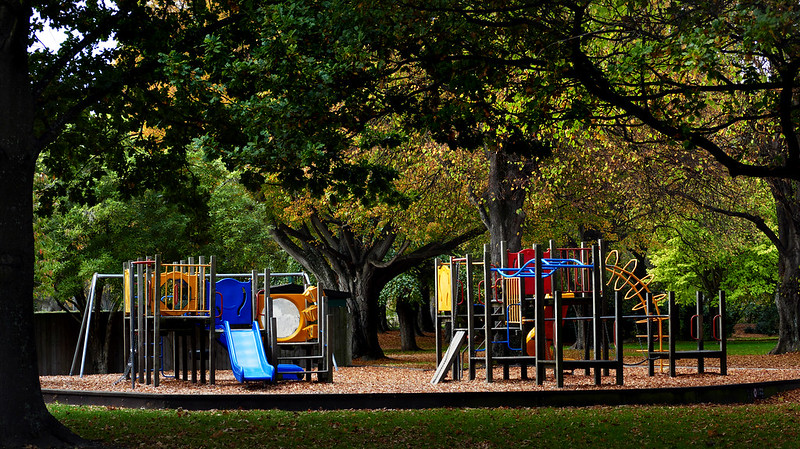
Kids give it their all. Childlike enthusiasm is a force of nature. When you see children playing on the playground, don’t you see the sheer grit and determination and lack of hesitation to throw themselves into their play? Kids never stop and have no fear, as many weary parents can attest to.

It’s funny. As children, we want to be adults. As adults, we envy the life of a child. I respect kids. They see the world differently and a little more simply than we clever grown-ups do. Maybe a confident and peaceful attitude comes from simplicity. Simple living, simple comforts, simple enjoyments. Or maybe I’m overthinking things … again.

Enjoy what you’re reading? Subscribe by email for updates on new posts and follow my writing career, musings on fiction and storytelling, and reflections about life in general.

Being Patient in Today’s World

We live in the world of “now.” Want a cup of coffee? Stop by Starbucks and get it now. Want to watch a movie? Stream it online now. Want to talk face-to-face with your third cousin twice-removed who lives on the other side of the planet? Schedule a Zoom meeting on your computer right now. This is the age of the instantaneous. Everything can be gotten at the moment you decide you want it.

I’m not knocking on modern conveniences. Technology has improved life across the board. Medicine and communications and transportation have all benefited from technological progress. But progress has its price. We don’t value patience that much, anymore. And I can only really say that because being a writer has made me much more aware of the importance of patience.

Writing a book isn’t a quick and easy task. I have to invest a great deal of time in crafting my story, outlining it, going through multiple drafts, editing and formatting the final product. It’s easy to feel antsy at times and just want to push it to the side because I’ve been working on it for over a year and still don’t have a published product. Will it ever get done? Is it worth it? Should I just move on to something else that yields immediate results?

Patience isn’t something that comes naturally to everyone. Maybe there are people out there who don’t struggle with staying level-headed and calm in all situations. I’m not one of them. I tend to rush through life and need to remind myself to slow down. It isn’t a virtue I’m inclined towards because, quite frankly, being patient is scary.

Hourglass” by John-Morgan is licensed under CC BY 2.0.

After all, to wait for something implies trust in that thing’s value and worthwhileness. Grabbing an egg sandwich from McDonald’s is different from cooking an omelet. One is quick and easy, the other takes time and effort to prepare. And time is precious, isn’t it? It’s the ultimate currency. We only have a fixed amount in the bank. So, what we are willing to wait for determines what we value the most. And when you spend time on something, that’s time you can’t get back.

Writing has taught me patience, bit by bit. The value of taking time to prepare the story and to make sure that I’ve chosen the right words. The time to submit my work to others for evaluation and feedback. Patience leads to quality, too. A rushed product is often a shoddy product. The best things in life take time to make. And patience takes courage. I invest time in writing because I trust it is worthwhile in the end.

One last thought: Patience entails an assurance and certainty that waiting will bear results. It is a form of faith, if you will, because it requires one to trust that a future we cannot yet grasp will yield something positive for us. Otherwise, why wait for it at all?

Enjoy what you’re reading? Subscribe by email for updates on new posts and follow my writing career, musings on fiction and storytelling, and reflections about life in general.