Climbing Out of Your Burrow: Read New Things!

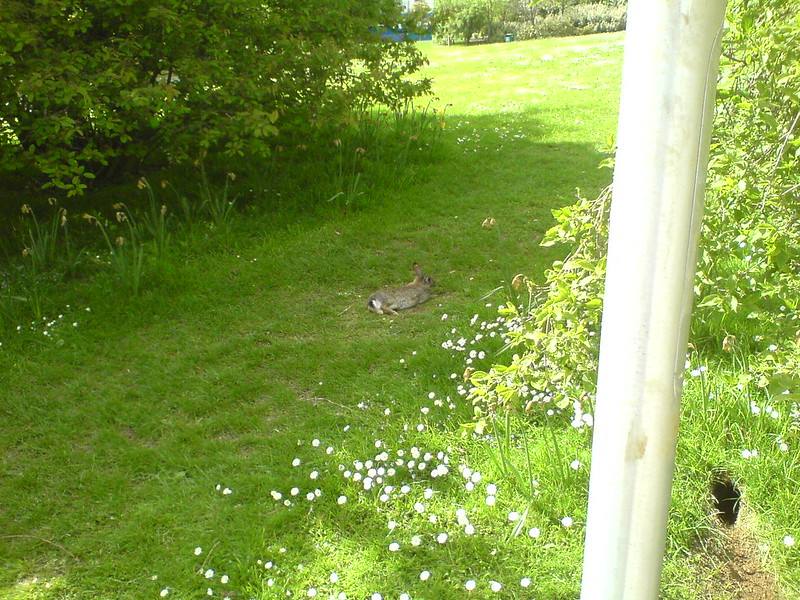
Image: “Rabbit and Burrow” by Stephen.G; Licensed under CC BY-NC 2.0.

“Cuddling up with a good book” is a phrase that invites images of coziness and comfort. It’s like being a rabbit holed up in your burrow, safe and secure. And we do like being comfortable. The same predictable genre or series over and over is a safe choice for when we get the itch to read something. But we are not rabbits. We humans benefit greatly from trying new things. Sometimes, we need to climb out of our burrows and take a close look at the landscape. A new book, a new genre, a new experience.

It’s not easy to do something we’ve never tried before, even with something as seemingly trivial as trying a new book. But it’s not trivial, is it? For some of us (myself included), it can be very daunting indeed. Reading is a time investment. Sinking time into something we might not even enjoy is time forever lost to us. Dare we take the risk?

I say we should. Life is short enough without limiting ourselves to a narrow view of it. Stories grow us and expand our perspective on the world. And who knows? You just might discover something new to love in literature. Trying new things is its own reward, and challenging ourselves to grow is always beneficial.

Rabbits are nervous, wary creatures. But rabbits can’t read and know the joy of encountering a new tale, of being lost in a new world of words. There are so many worlds out there, contained in the pages of a book or imprinted in the code of an eBook, and they’re all there for us to visit whenever we want. Why shouldn’t we try to explore as much as we can?

Alright, I’ll be honest. I’ve read books I didn’t enjoy. I’ve tried things recommended to me that I didn’t get much of a thrill doing. But, as they say, you never know until you try. On the other hand, I discovered some of my favorite franchises thanks to a friend or family member. And sometimes just from idle curiosity.

Whether you’re a writer or not, if you love literature, than never stop exploring its many corners. Leave your burrow and go out and see what there is to see!

Enjoying my blog? Don’t want to miss a single post? Subscribe for updates on when I post and follow my writing career, musings on fiction and storytelling, and reflections about life in general!
Paperback Version of My Book is Available on Amazon!

Do you like eBooks? I like eBooks. Convenient and affordable. But sometimes I want that tactile sensation of a paperback in my hands and to hear the soft flutter of turning pages. If you like that, too, then I have great news.

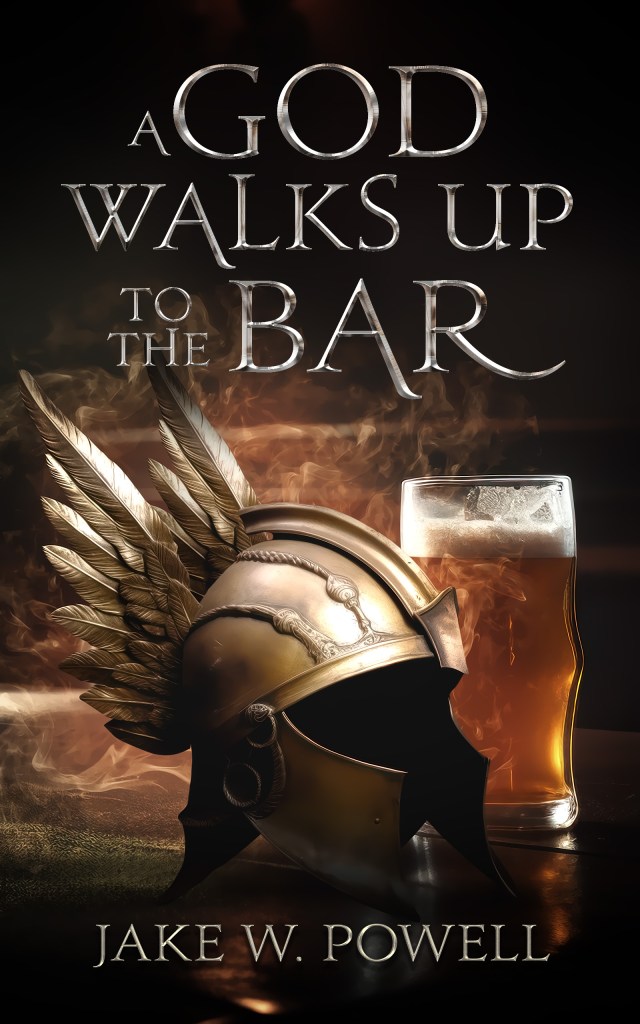
A God Walks Up to the Bar is available in paperback form on Amazon.com! Do you want to add a fun novella to your collection? Do you enjoy fantasy and classical mythology? Thrills? Chills? Humor? Gods beating up monsters? Then hop online and order yourself a copy! Or at the very least, do yourself the favor of admiring the lovely cover art.

And while you’re at it, don’t forget to like and subscribe to this blog. I’m just getting started!

The Rule of Three: A Strange Ingredient for Storytellers

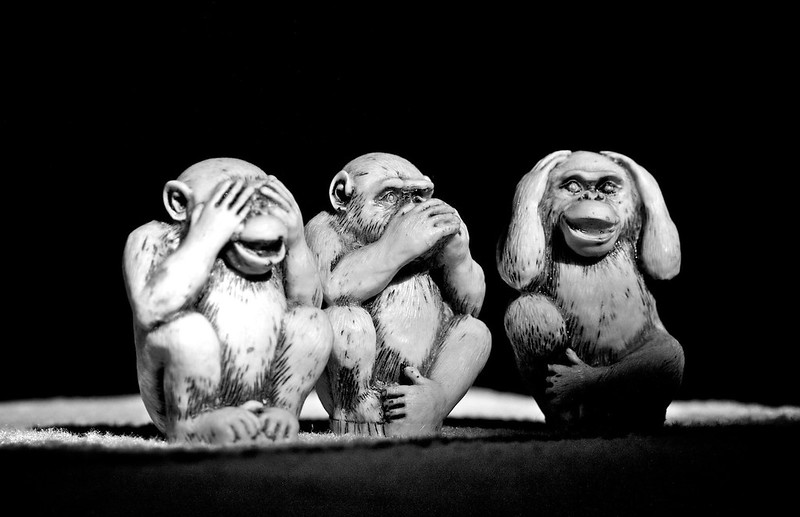
Image: “Three wise monkeys” by Anderson Mancini, licensed under CC BY 2.0.

What’s the most important number in the world? Let’s count.

One … two … three?

It’s an odd number to be fixated on. But we are. Look around you. Listen. Read. Everything comes in threes. We love things to be presented in trios.

Land, sea, sky. Birth, life, death. Child, adult, elder. Beginning, middle, end. Ready, set, go. Lights, camera, action. I came, I saw, I conquered. See no evil, hear no evil, speak no evil.

It’s a habit of humanity to divvy things up into threes. Maybe because it’s a nice prime number, like 5 or 7. There’s a pleasant sense of completeness in three, a satisfaction that you can’t quite get with two, and going up to four is a step too far. Three is everywhere, and it’s found a home in our collective psyche. Things always feel right when they’re grouped into threes. Stories feel right.

The number three is storytelling’s superstar. Stories rely on patterns, and the number three is the smallest number you can use to set up a pattern and then deviate from it. Take a glance at fairy tales and note how many times the third brother gets the prize, or how many trials the hero must overcome to succeed, or how many times the evil witch tries to stop him. Set up the expectation and then throw in a twist the third time around.

Good stories tend to be efficient with their time and words. Why go through the same pattern four times to set up the fifth’s deviation, when you can cut out two repetitions and get the same result? Maybe early oral storytellers were just lazy and hit on a good tactic to keep listeners engaged without wearing out their throats.

Either way, if you’re going to be a writer, consider the usefulness of the rule of three. Most stories are divided into three acts: The setup, the middle action, and the climax. Want to reinforce that a plot element is important? Mention it three times: Once to introduce it, a second time to remind your audience of its existence, and a third time for the payoff (alternatively, a third time to reinforce it in audience’s minds, and then give them the payoff).

Remember the oath that witnesses make in court? “Tell the truth, the whole truth, and nothing but the truth, so help me, God.” Here we see the principle in action: “Tell the truth” (introducing the concept to speak truthfully), “the whole truth” (reinforce the concept that you will be honest), “and nothing but the truth, so help me, God” (grinding it into your head that you will tell the truth, doggonit!)

As weird as the rule of three is if you think about it too hard, we’ve been raised on it for so long that it’s been hardwired into most societies. We tend to think in terms of threes when writing, when talking with friends, or even when giving a speech. It’s just such a common, reliable, and trustworthy trope. It’s in schools, it’s in media, it’s even in the academic community.

Ha, ha, yes, I’m so very clever. But you get the point. Don’t you? Need me to repeat it again?

In all seriousness, we humans do like patterns, and the rule of three is such a basic pattern that it fits pretty much anywhere. We recognize it, at least on a subconscious level, because we’ve been exposed to it since childhood. I can make that statement with confidence because it’s just. That. Widespread. And yes, I did just use the rule again to prove my point. Really, this whole article could drown in its own metatext.

Being so common, the rule of three is a reliable standby for writers both beginner and veteran. I use. You use it. And – Well, you get the idea.

The gods and beings of ancient myth never went away. They just moved on with the times.

My book, A God Walks up to the Bar, is currently available on Amazon.com. Venture into the world of the Greek god Hermes, a world filled with demigods, vampires, nymphs, ogres, magic, and trickery. It’s a tough job, being a god!

Enjoying my blog? Don’t want to miss a single post? Subscribe for updates on when I post and follow my writing career, musings on fiction and storytelling, and reflections about life in general!

Lessons I Learned Writing My First Book, Part 4: Patience

Waiting, waiting, waiting. All things come to those who wait, or so they say. It’s a bit glib, isn’t it? Besides, waiting is only half the game.

Patience isn’t just about waiting. It’s about focus. It’s about working without complaint. It’s about denying yourself instant gratification in favor of long-term benefits. It’s about enduring the terrible uncertainty of whether your hard work will pay off.

It’s not … fun, per se. It’s useful. And, in the words of knowing parents everywhere, patience “builds character.”

As you may have already gathered from my previous ramblings, writing isn’t a fast process. Therefore, it takes patience. And I learned to be so while writing and publishing my book. But you know what? The writing part wasn’t where patience came into play for me. I LIKE writing, so it never felt dull or slow.

The real test was submitting my work for beta reading and editing. Not because the people I worked with took an unduly long time to respond, mind you. I’ve had the pleasure of working with great people. But it tested ME. Waiting for critiques, I could only think, “What will others think of my book? Is it good enough? Is it bad?” And I couldn’t get instant feedback and sate my desires to know. I had to sit back and wait.

There’s fear in the waiting, sometimes. Patience requires a modicum of courage. The horrible question, “What if?” pervades our minds when we think about what COULD happen. And the longer we wait for something, anything, the more “What if?” needles our minds. What if my book is bad and nobody likes it? What if I don’t get to my child’s rehearsal in time because of this red light? What if I can’t get off work in time because of this one slow customer? And so on and so on.

So, I was tested. I had to wait in inaction for a little while. I didn’t like it, but watcha gonna do? And there is a certain cathartic relief when your patience pays off and the wait is over. Delayed gratification and all that.

Discipline, perseverance, and patience. These qualities are like muscles. They must be exercised on a regular basis to grow strong. My last lesson, however, is the hardest because it is something we can’t directly govern. Life is happy to teach it, and we either learn … or we don’t. I’ll discuss it in more detail in my next post.

The gods and beings of ancient myth never went away. They just moved on with the times.

My book, A God Walks up to the Bar, is currently available on Amazon.com. Venture into the world of the Greek god Hermes, a world filled with demigods, vampires, nymphs, ogres, magic, and trickery. It’s a tough job, being a god!

Enjoying my blog? Don’t want to miss a single post? Subscribe for updates on when I post and follow my writing career, musings on fiction and storytelling, and reflections about life in general!

Mind of a Child: Confidence and Growing Up

As a child, I looked at adults with a mixture of awe and envy. Oh, if only I could be like an adult, always knowing the right thing to say and the right thing to do! My parents could do no wrong, my teachers knew everything. Adults made everything better because they knew exactly what to do in every situation.

Then I became an adult.

We don’t know any better as children, do we? Lacking any breadth of experience, we don’t understand that nobody has any real idea what they’re doing. We’re all sort of stumbling through life, learning as we go, getting tossed into the deep end of the pool and working out how to tread water just enough to keep from sinking. It’s equal parts fun and terrifying. We’re all figuring it out together.

And we adults get philosophical about everything. What’s it all about? Why are we here? How can we do right? All the big questions.

Kids are cool. They don’t let deep thoughts and existential angst get in the way of living. They accept what they’re told, but are just innocent enough to ask those piercing questions that puncture our adult pretensions. It is grown-ups who tie themselves into knots trying to justify and rationalize every action they take at every moment of every day. Or maybe that’s just me. Ah, the tortured mind of the intellectual.

In all seriousness, confidence is a good thing. In many ways, kids are more confident than adults. They trust adult authorities because the thought of them being wrong doesn’t enter their minds. They trust things to work out without hesitation. They enjoy life wholeheartedly and unironically.

Confidence is an attitude. It’s not the magic formula to a perfect life, but it sure can help us endure hard times. Why? Because we become willing to work to succeed. If we expect to fail, we’re probably going to. And while failure isn’t something we should be afraid of, is it really healthy to sabotage ourselves? Where would the world be if we didn’t put our best foot forward and give it our all?

Kids give it their all. Childlike enthusiasm is a force of nature. When you see children playing on the playground, don’t you see the sheer grit and determination and lack of hesitation to throw themselves into their play? Kids never stop and have no fear, as many weary parents can attest to.

It’s funny. As children, we want to be adults. As adults, we envy the life of a child. I respect kids. They see the world differently and a little more simply than we clever grown-ups do. Maybe a confident and peaceful attitude comes from simplicity. Simple living, simple comforts, simple enjoyments. Or maybe I’m overthinking things … again.

Enjoy what you’re reading? Subscribe by email for updates on new posts and follow my writing career, musings on fiction and storytelling, and reflections about life in general.

Happy Birthday, Ray Harryhausen!

Today marks the 103rd birthday of cinema legend Ray Harryhausen. Whether you grew up with his films or have never heard of him, chances are that you’re familiar with his work, especially if you’re a fan of movie monsters like I am.

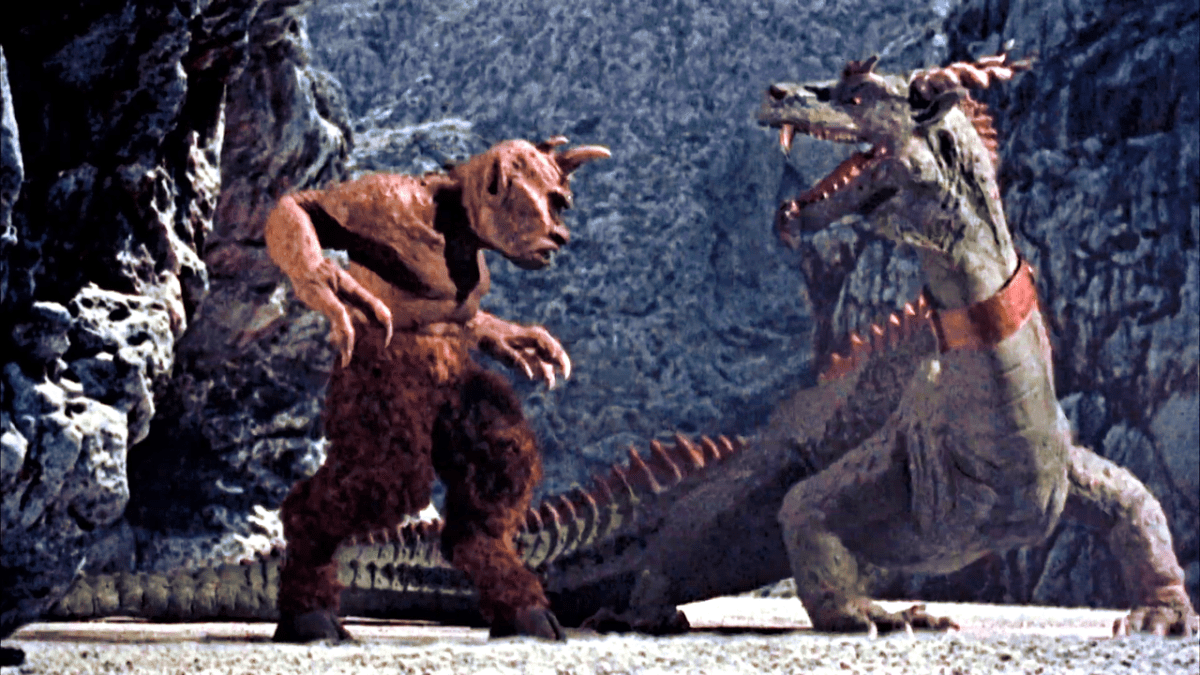
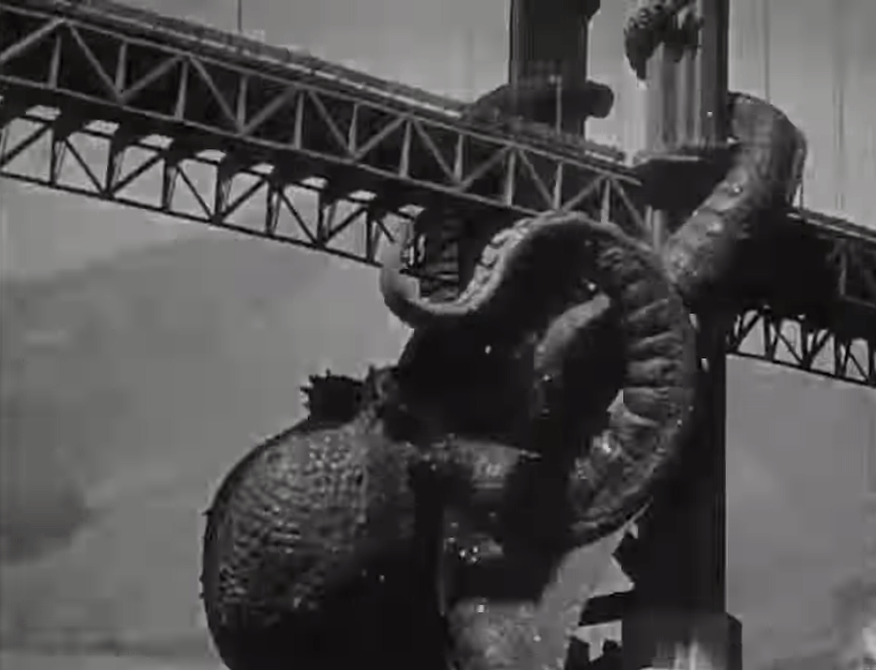
The Rhedosaurus // The Beast from 20,000 Fathoms // Warner Bros., 1953 // Public Domain

Never seen The 7th Voyage of Sinbad or Jason and the Argonauts? Don’t know what a Rhedosaurus or an Ymir is? Go check them out. They’re all great! Not to mention that Harryhausen’s special effects work has inspired thousands of storytellers, filmmakers, and video game designers all over the world. Ten years after his passing, his legacy is still going strong. Monster rule!

The Ymir // 20 Million Miles to Earth // Columbia Pictures, 1957 // Public Domain
Jason vs. the Hydra // Jason and the Argonauts // Columbia Pictures, 1963 // Public Domain
It Came from Beneath the Sea // Columbia Pictures, 1955 // Public Domain

Happy Birthday, Ray Harryhausen. May you never be forgotten.