Feeling down in the dumps? Feeling like nothing you do is right or ever will be? If not, don’t worry, you will.
I’ve detected a pattern to discouragement in my life. It likes to come at certain times. I wonder if that’s true for everyone.
I find that nighttime is the worst for me. A couple of hours before bedtime, when I start to tire and my mind starts shutting down, fear and worry slither into my brain.
I need to start thinking about this. I haven’t done that yet. Do I have enough time to complete my book? Do I have enough money to pay for editing and publishing and marketing? Is it even any good?
It’s inevitable. For the writer, it can be debilitating. We work hard to finish our projects. We march on with stubborn determination to see our dreams through to the end. And we dread … not failure exactly. Inadequacy. Anyone can write, but can we write well? Or is it all just crap that would be better off hidden away in our computer’s hard drive, or better yet, in our own minds?
Even worse, what if it’s a good story, but nobody knows it exists? The unnoticed, inconsequential curiosity of the online store.
The night is a quiet and still time. My brain has time to process all these fears. When the excitement of the actual writing process stops, these nagging thoughts are heard most clearly.
But we don’t have to listen to such fears. They come, they stay a while, and then they leave. Yes, they do leave, if we press on regardless. Discouragement isn’t something we always have control over, but we can control how we act in response to it. Feelings of worry are not eternal. They only have real power to influence our life and work if we give them permission. Emotions run up and down. I look at my work today and feel it’s my best yet, and look at it tomorrow and cringe in disgust.
To continue writing in spite of that hollow feeling, to trudge along, to persevere through grim thoughts, this is is what we must do. Night isn’t forever.
Fear debilitates. Depression paralyzes. Writing is a joy for me, but I don’t feel excited about it all the time. Not 24/7. I have rough spots. I have times where I wonder if I should just leave it all behind. And I wait. I don’t act on those impulses of giving up, because I realize that they don’t last.
Writing is a marathon. Like athletes, we tire. We can feel inadequate and unable to rise up to the challenge. Write anyway. If you feel like crap, write. If you feel like nothing is coming to you, write something. A paragraph, a single sentence, anything so that you can say that you wrote for the day. Persevere. Be stubborn.
After night comes morning.
If you just so happen to be enjoying my blog, feel free to subscribe. I post updates on my writing career, I muse over storytelling and fiction, and I reflect on the curious and wonderful things in life.

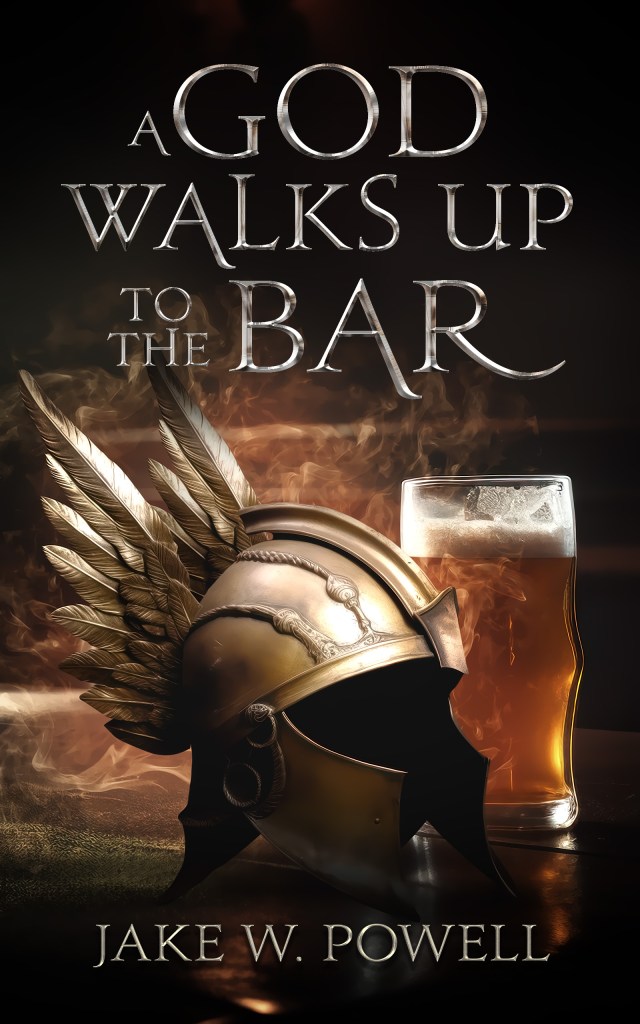
My first book, A God Walks up to the Bar, is available on Amazon.com. Witness the modern day adventures of the Greek god Hermes in a world much like our own – and with demigods, vampires, nymphs, ogres, and magic. The myths never went away, they just learned to move on with the times. It’s a tough job, being a god!
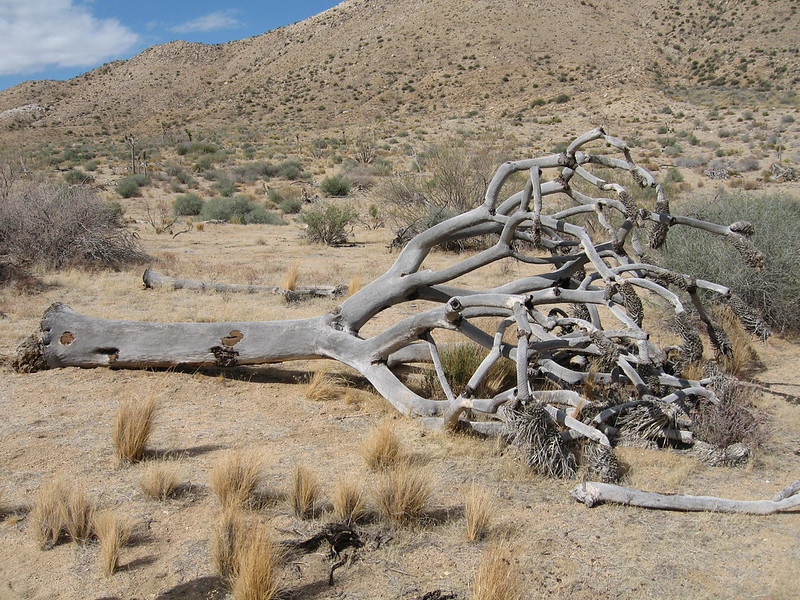
Image Source: “Dead Joshua tree (Yucca brevifolia); Covington Flats” by Joshua Tree National Park; Public Domain Mark 1.0.







 Jake W. Powell