When You Feel Like You Don’t Have Enough Time…

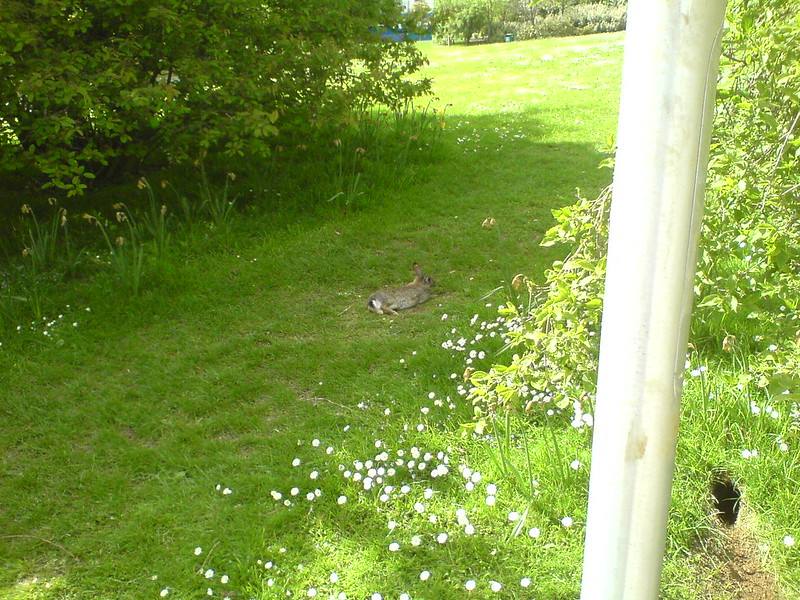
Old Clock” by Davmi Pics is licensed under CC BY 2.0.

Do you ever feel the crunch of time? Like your to-do list is too long to fit into the hours in the day? You feel those minutes sliding by and try to cram in as much as you can. But it just isn’t enough, and you concede defeat to the march of time.

So much to do, and so little time. If only we could do it all in one go. If only we could freeze the clock in place and do everything we ever wanted to do for as long as we wanted. What a dream, huh? But what does that say about the things we do manage to accomplish when time is short?

Maybe it’s not comfortable to think about the fact that we accomplish, first and foremost, the things that matter most to us. Maybe we don’t want to think about what that says about us if we go first to the couch to watch TV, put together a jigsaw puzzle, play video games, or eat junk food. What do we prioritize? What matters most to us? Do we want to peer into that corner of ourselves?

Most of the items on our checklists are personal indulgences. A lot of the things we feel we must do are really just trifles that we enjoy more than taking out the trash or cleaning the house. Hey, entertainment is more fun than chores. That’s why it’s called entertainment. We like to have fun, and in a world where most of our time is consumed by business and work, we try to sneak it into the 16 or 18 hours we spend awake.

I find that there is a difference between what we want to do and what we actually do. The first is our conscious preference. The second is what we subconsciously place real value on. I suspect we don’t even realize it unless we’re paying close attention. We don’t recognize what we hold dear until forced to choose between this or that to wrap up in the last hour. Time crunch can lead to interesting revelations.

But how much do we really have to do in 16 hours? We tell ourselves that “this and that” must be finished, and “this and that” turns into “anything and everything.” A bit of a self-imposed burden, isn’t it? I’m not preaching procrastination, but rather that most of the troubles we face in task management is self-imposed. Cramming means we don’t want to compromise. It’s all or nothing! I want to do everything I want to do and I’m not going to cross anything off today’s to-do list! And we wear ourselves out, not from hard work, but from the exhaustion of trying to satisfy the expectations we’ve built up in our heads.

There’s more time in the day than we may think, because so many of the things we convince ourselves are absolutely vital are really just busy work and trifles. If we were to strip away everything except what is truly important in our lives, we’d end up with a much shorter list. Because those are the things we will dedicate time to. Those are the things we truly value and will not sacrifice.

Take a step back and look not at what you plan to do, but at what you actually do during the day. You may be surprised at what you see.

The gods and beings of ancient myth never went away. They just moved on with the times.

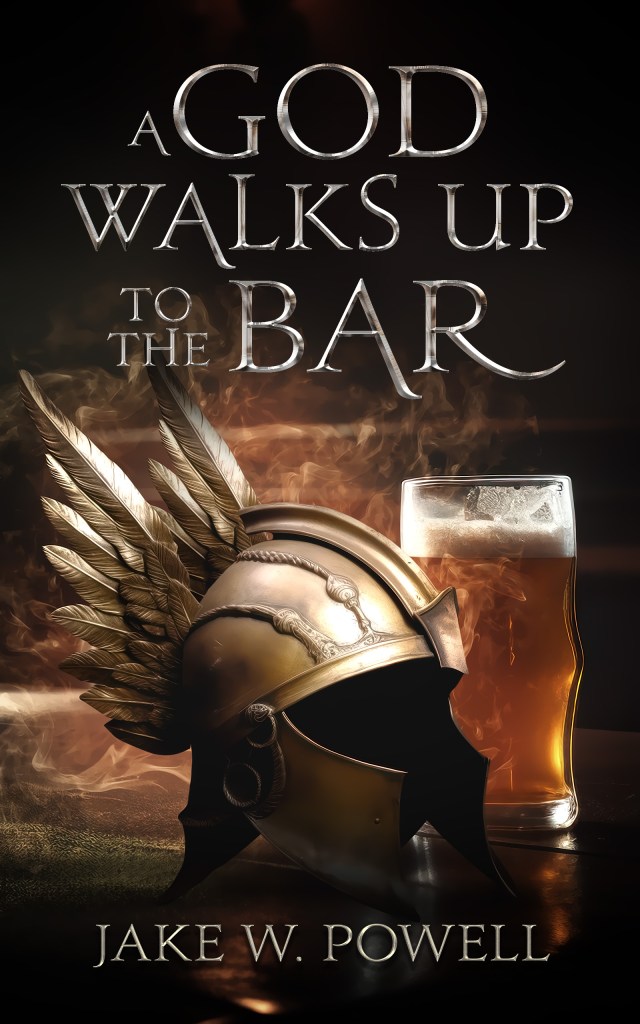
My book, A God Walks up to the Bar, is currently available on Amazon.com. Venture into the world of the Greek god Hermes, a world filled with demigods, vampires, nymphs, ogres, magic, and trickery. It’s a tough job, being a god!

Enjoying my blog? Don’t want to miss a single post? Subscribe for updates on when I post and follow my writing career, musings on fiction and storytelling, and reflections about life in general!

The Myth of the Easy Masterpiece

We’ve all heard the glorious stories of the writer who dashed out a masterpiece over the course of a weekend, solicited it, and made big bucks. Or we hear about someone writing a book for kicks, posting in on Amazon, and suddenly getting offers from film studios to turn their sudden runaway success into a show. It’s a tempting motivation to become an author, or scriptwriter, or whatever. These guys made it. How hard can it be?

Pretty hard, actually. After all, we only hear about the successes. What about those stories written over a weekend that never took off? How many books on Amazon do you think there are that nobody’s ever read?

I don’t know where I first heard the story that the screenplay for Good Will Hunting was written by Matt Damon and Ben Affleck over a weekend. Probably one of those motivational stories my teachers told me as an example of how life doesn’t actually work. It’s not true, by the by. Matt Damon wrote the original 40-page script as a drama class project, then worked with Affleck on revising it into a full Hollywood script. So, no, they didn’t conjure a masterpiece out of thin air in just a couple days. The foundation was already there, and they still had to work hard to translate it from written word to big screen.

Hugh Howey wrote Wool as a one-off short story that he put up for sale on Amazon. And yes, it did become so successful that he ended up writing sequels and selling the film rights and getting a good deal out of the whole thing. But as unusual as the success of Wool is, it was still based on years of writing experience and hard work. Howey had already been a diligent writer long before he published Wool. The story may have been a one-off, but Howey’s efforts weren’t. He goes into detail at length about his writing on his own blog.

All of which is to say, if you hear about a runaway success, that success is probably the result of a lot of hard work, blood, sweat, and tears that rarely make their way into the story told in magazines. The humdrum routine of writing, or scripting, or painting, or sculpting, or whatever medium you can think of doesn’t usually make for a good story, after all. Customers want the end product. The tedious hours of chipping away at marble or revising a fourth draft aren’t what they’re buying. And, quite frankly, do they even need to know about all that sweat and work?

If you’re truly devoted to something, you’ll put in the effort necessary to see it through to completion. Writing isn’t a “get rich quick” scheme. In fact, it may be the worst method possible for getting rich quickly. Sure, there are plenty of authors out there who make a living off their books. Many of them are quite wealthy, even. But only because they work to an almost obsessive degree on their projects. They devote extreme amounts of time to writing to the near-exclusion of all else. That’s not the easy path to wealth.

So, no, there aren’t any “easy masterpieces” in the world. Just a lot of grunt work and diligence that is never seen by the public eye.

Do what you love, not what you think will make you rich. That’s one thing that can make life a bit easier.

The gods and beings of ancient myth never went away. They just moved on with the times.

My book, A God Walks up to the Bar, is currently available on Amazon.com. Venture into the world of the Greek god Hermes, a world filled with demigods, vampires, nymphs, ogres, magic, and trickery. It’s a tough job, being a god!

Enjoying my blog? Don’t want to miss a single post? Subscribe for updates on when I post and follow my writing career, musings on fiction and storytelling, and reflections about life in general!

Lessons I Learned Writing My First Book, Part 5: Humility

What’s the greatest challenge you face as a writer? The hours of hard work spent crafting your story? Pushing back against writer’s block? Trying to research a key piece of your book that you can’t quite get right? Finding a publisher? Finding the money to publish independently?

After all the effort you put into your book, there comes a point where you crave vindication of your efforts. After everything is said and done, you put it out onto the market and …

Where’s the jubilee? Where’s the praise? It’s MY book, it’s MY effort. Don’t I deserve it?

And here comes a hard truth: No, you actually don’t.       

We should all dream big, because big dreams encourage us to strive for excellence. But dreams alone are not the key to any sort of success. Hard work, diligence, and consistency are far greater allies in that regard. It’s easy to look at examples of literary success and think that somehow, through the mere act of wanting, we not only are able to join them, we deserve to join them. To stand up there with Hugh Howey, Brandon Sanderson, Dan Abnett, Jim Butcher, Ursula K. Le Guin, Terry Pratchett, et al.

Or, going even further, to see ourselves as the next William Faulkner or Charles Dickens or F. Scott Fitzgerald. And then we complete our book, we’re proud of it, and we put in on the market and … it’s another book.

A good book, maybe, but there are no laurels or songs or movie deals. It’s a book. One among hundreds of thousands. Roll up your sleeves if you want to get more notice, because it won’t get noticed by itself. You’re an author. Not THE author, not the greatest author. An author.

Harsh? Maybe. But eating humble pie is a bittersweet affair. Reflecting on my journey to where I am now, I’m darn proud of what I’ve done. I enjoyed writing my book, and I’m enjoying starting my second one. If I wanted glory, I’d pursue a different profession.

It still stings a little, though.

Humility comes in many different forms. Sometimes it whirls in and knocks us off our haughty high ground. Sometimes it’s a series of events that remind us we’re not as self-important as we thought. Sometimes, it’s doing something that others look down on as unimportant. It’s not something that’s enjoyable to learn (a running theme with my past few articles, I’m noticing) but, as I’ve already said before, it’s necessary. Pride and egotism can take a good job and hard-earned goodwill built up with your audience and turn it to ash. We’ve all seen it. Maybe you’ve even been there before.

Keeping ourselves in perspective can, I hope, help us to understand our place in the very big and crowded world of publishing and, rather than discourage us with delusions of insignificance, drive us to work harder toward a successful and fulfilling career. Humility helps us see ourselves clearly and to see the things we can do to make ourselves the best people we can be.

The gods and beings of ancient myth never went away. They just moved on with the times.

My book, A God Walks up to the Bar, is currently available on Amazon.com. Venture into the world of the Greek god Hermes, a world filled with demigods, vampires, nymphs, ogres, magic, and trickery. It’s a tough job, being a god!

Enjoying my blog? Don’t want to miss a single post? Subscribe for updates on when I post and follow my writing career, musings on fiction and storytelling, and reflections about life in general!

Lessons I Learned Writing My First Book, Part 3: Perseverance

Seventy-eight, seventy-nine, eighty …

Do you like doing pushups? What about arm curls? Or squats?

Eighty-five, eighty-six, eighty … eighty-seven …

They can take a lot out of you. How often have you been tempted to stop halfway through your exercise routine?

Ninety … ninety … ninety-FIVE … Ninety … SIX.

Or have you only gone as far as you could before the burn set in?

Ninety-NINE … ONE … HUNDRED.

Perseverance is when you keep going even when your body and mind don’t want to.

There’s an element of stubbornness in persistent people. They refuse to give up or go home when things are looking down, when the weather is cruddy, when they just want to curl up and sleep the afternoon away. Perseverance is the tenacious insistence on never leaving a task half-done.

Writers need to persevere. We need to never give up no matter the circumstances. How many books have been left half-finished, never to be read by others? How many books have never been written at all?

The most important thing, I’ve found, is to focus on the end goal. It’s easier (not easy, mind you, but certainly more bearable) to stick with it when you know how close you are to the end. And as I look back, I see how quickly that work time passed. Rather than focusing on present difficulties with drafting my book or stumbling over writer’s block, I quietly focused on the goal of finishing and publishing. It really does help.

Sometimes, I felt like I had nothing worthwhile to say, or that nothing I did say could measure up to other authors. What do you do during such times? You motor on. Perseverance is, quite simply, never giving up.

There’s a lot of books that will never be written. I take satisfaction in putting one more out into the world.

The gods and beings of ancient myth never went away. They just moved on with the times.

My book, A God Walks up to the Bar, is currently available on Amazon.com. Venture into the world of the Greek god Hermes, a world filled with demigods, vampires, nymphs, ogres, magic, and trickery. It’s a tough job, being a god!

Enjoying my blog? Don’t want to miss a single post? Subscribe for updates on when I post and follow my writing career, musings on fiction and storytelling, and reflections about life in general!

Lessons I Learned Writing My First Book, Part 2: Discipline

You’re running at a steady pace. You’ve been running for the past thirty minutes. Sweat streams down your back and drips from your brow onto your nose and neck. The marathon is halfway done. Only halfway. Your thoughts stray. You think of a cold glass of water. You think of resting – just for a moment – and catching your breath. Or maybe longer than a moment. You ran half a marathon. That’s good enough.

But you don’t stop. You keep running. You stumble and nearly trip. You regain your balance. You find your rhythm again and keep running. You feel out of breath. Now, the temptation to stop feels more like a necessity. Can’t finish the marathon if you can’t breathe. You feel like you’ll faint from exhaustion.

You remember your breathing exercises. You’ve trained for this. And you find your second wind. A burst of new energy propels you forward. You keep running. At last, you reach the end.

Marathons are a discipline. They take training, practice, and the determination to finish what you started. Writing is the same way. Crafting a book isn’t a quick sprint. It’s not a pole vault or long jump where you throw all of your strength into a few seconds of exertion. Writers must pace themselves and must be willing to get up every day, sit down at their computer, avoid the temptation to get hooked on Youtube or Facebook, and write their word count for the day.

For all that we exalt discipline and admire it in people, it’s not exactly the most well-practiced quality. We like people who accomplish great things: maybe build a skyscraper, or paint a masterpiece, or simply make a million bucks. We look at those people and we think how much patience and hard work must have gone into their achievements. We see the results of discipline, and think we should give it a go, but so many of us just can’t push ourselves. Why? Because discipline sucks.

It’s a slow-burning candle. It isn’t fancy and it isn’t glamorous. The results of discipline are glamorous. That fancy skyscraper, that painting, those million dollars. Wowee! I want that! But putting in the work is a pain.

Writing isn’t exactly a glamorous, exciting process either. Silently typing away at a computer doesn’t make for a great show. It’s not something you show off to others. “Look, Bob, watch me write my story! Isn’t it so cool?” Yeah, nobody’s going to care about the process. They want to see the end product.

Do you want to write? I mean really write, as a lifelong hobby or career? Do you envision yourself as a published author? That vision is the end result of discipline. You must train yourself to write on a schedule that works for you. Every day, every couple days, whatever you find works best. And then you must train yourself to be consistent about it. It’s not always pleasant, especially starting out, but it does get easier over time.

I have a day job. I had to find the time to write. Frequently, coming home from work, I didn’t want to. But I did it anyway. And the end result is, I wrote a book! I published it! I accomplished what I set out to do!

I don’t meant to scare away any of you potential writers out there. But writing can feel like a chore at times. Even so, when we set our minds to doing the things we love, we’ll make the time and effort to do them. But it does take dedication. Dreams are all well and good, but they’re nothing without action, and discipline demands action. Even a dream job has its drudgery, right?

And it’s sweeter in the end, to run toward your goal and finally reach it after a long, tiring run.

The gods and beings of ancient myth never went away. They just moved on with the times.

My book, A God Walks up to the Bar, is currently available on Amazon.com. Venture into the world of the Greek god Hermes, a world filled with demigods, vampires, nymphs, ogres, magic, and trickery. It’s a tough job, being a god!

Enjoying my blog? Don’t want to miss a single post? Subscribe for updates on when I post and follow my writing career, musings on fiction and storytelling, and reflections about life in general!

Lessons I Learned Writing My First Book, Part 1

My first book was quite the educational experience. There’s nothing quite like diving into a new challenge and learning as you go. It’s sink or swim, sometimes, and not knowing quite what you’re doing is as exhilarating as it is terrifying!

So, I’ve made it through, and looking back on the years-long trek, I realize that I actually may have learned a thing or two. Not just the technical aspects of writing, but general takeaways, as well. So, for all you fellow authors out there, and those of you who are thinking of entering the wonderful world of writing, here are my lessons learned from writing my first book.

First and foremost: Discipline. Writing takes effort. More than that, it takes the willingness to sit down and just do the work. It takes a willingness to push yourself beyond your boundaries, to organize a time that’s best for writing, and just do it. Dedication is a big part of being an author, because writing takes time, and time is precious, right? You got to be willing to make that sacrifice.

Writing also taught me perseverance. I felt like I was running a marathon when I was writing my book. It’s not a quick and easy thing when writing a book of any length. This isn’t a blog article or a social media post. I was in it for the long haul, and sometimes I just felt apathetic about what I was doing. I wondered if there was even a point to writing, if it would mean anything in the end. That’s when I had to roll up my sleeves and keep going. You got to be willing to motor on.

Thirdly, I learned patience. Writing takes lots and lots of patience. Whether words come easily to you when you write or not, the process is not necessarily a quick one. Maybe that first draft takes no time at all, but then you got to go back and revise. And revise again. And again. And then you get it read by beta readers. And by editors. And then you go back and write a new draft. You got to be willing to be patient to make your story the best it can be.

And finally, the hardest lesson of all: Humility. To be a published writer means putting your work – and yourself – out there for all to see. That makes you feel quite vulnerable at times. Putting out your book invites criticism and commentary, some positive, some not. When I first gave out drafts of my book to be read by others, I got a heaping helping of flaws and bad habits set down before me. It’s not pleasant, but it’s needed. You got to be willing to admit you’re not perfect and develop a tough skin to take necessary criticism.

That’s the quick summary. Over the next week or so, I’d like to dive deeper into each lesson and go into more detail about how I grew over the course of this book. I hope you all enjoy it!

The gods and beings of ancient myth never went away. They just moved on with the times.

My book, A God Walks up to the Bar, is currently available on Amazon.com. Venture into the world of the Greek god Hermes, a world filled with demigods, vampires, nymphs, ogres, magic, and trickery. It’s a tough job, being a god!

Enjoying my blog? Don’t want to miss a single post? Subscribe for updates on when I post and follow my writing career, musings on fiction and storytelling, and reflections about life in general!

Mind of a Child: Confidence and Growing Up

As a child, I looked at adults with a mixture of awe and envy. Oh, if only I could be like an adult, always knowing the right thing to say and the right thing to do! My parents could do no wrong, my teachers knew everything. Adults made everything better because they knew exactly what to do in every situation.

Then I became an adult.

We don’t know any better as children, do we? Lacking any breadth of experience, we don’t understand that nobody has any real idea what they’re doing. We’re all sort of stumbling through life, learning as we go, getting tossed into the deep end of the pool and working out how to tread water just enough to keep from sinking. It’s equal parts fun and terrifying. We’re all figuring it out together.

And we adults get philosophical about everything. What’s it all about? Why are we here? How can we do right? All the big questions.

Kids are cool. They don’t let deep thoughts and existential angst get in the way of living. They accept what they’re told, but are just innocent enough to ask those piercing questions that puncture our adult pretensions. It is grown-ups who tie themselves into knots trying to justify and rationalize every action they take at every moment of every day. Or maybe that’s just me. Ah, the tortured mind of the intellectual.

In all seriousness, confidence is a good thing. In many ways, kids are more confident than adults. They trust adult authorities because the thought of them being wrong doesn’t enter their minds. They trust things to work out without hesitation. They enjoy life wholeheartedly and unironically.

Confidence is an attitude. It’s not the magic formula to a perfect life, but it sure can help us endure hard times. Why? Because we become willing to work to succeed. If we expect to fail, we’re probably going to. And while failure isn’t something we should be afraid of, is it really healthy to sabotage ourselves? Where would the world be if we didn’t put our best foot forward and give it our all?

Kids give it their all. Childlike enthusiasm is a force of nature. When you see children playing on the playground, don’t you see the sheer grit and determination and lack of hesitation to throw themselves into their play? Kids never stop and have no fear, as many weary parents can attest to.

It’s funny. As children, we want to be adults. As adults, we envy the life of a child. I respect kids. They see the world differently and a little more simply than we clever grown-ups do. Maybe a confident and peaceful attitude comes from simplicity. Simple living, simple comforts, simple enjoyments. Or maybe I’m overthinking things … again.

Enjoy what you’re reading? Subscribe by email for updates on new posts and follow my writing career, musings on fiction and storytelling, and reflections about life in general.

The Greatest Teacher: What’s the Role of Failure in Life?

Do you know the magic word that society loves to hear? The Pied Piper’s song, leading us along without us giving it serious thought.

SUCCESS.

It’s the ultimate carrot on a stick.

SUCCESS.

It’s a wonderful word, so supreme and comfy in its vagueness that we rarely worry that we don’t really know what we mean by it.

SUCCESS. It’s the defining feature of happy people. If you’re not successful, then you must be … a loser!

Kids learn from an early age: Success is good. Failure is bad. Don’t fail. You must succeed at everything you do.

I submit for your consideration an alternative perspective: Failure is good. Failure is necessary. In fact, we should allow ourselves to fail. Failure is a good thing. Well, sort of. Let me explain.

Failure is the greatest teacher, as a very wise person once said. Think back on your life. Do you remember a great triumph? Maybe you finished a project that you were really satisfied with? Or gave an excellent presentation at work, or made a great speech to an audience? How do we get to these triumphs? Well, a couple ways. There’s sheer dumb luck, of course, but Lady Luck is a little fickle and I don’t trust her. She smiles too much.

Then there’s hard work, practice, and trial and error.

Wait a minute … Trial and error? Does that mean … mistakes are a part of succeeding? Well, yes. We learn from our mistakes. When everything is business as usual – let’s be honest – do we really notice? When I’m writing my book draft and all the words come out smoothly, I’m happy. But then the time for the next draft comes around and HOLY SMOKES WHERE DID ALL THESE TYPOS COME FROM? How did I misspell that word? I know the difference between “their” and “there!” And how could I use so many cliches? Shameful.

But I don’t forget the mistakes I made.

When you flunk a test in school, you’ll probably never remember the answers you got right. But you certainly remember the ones you got wrong. Failure educates us. And if we’re smart, we’ll remember our lessons for the next time.

It’s healthy to fail. In fact, it’s inevitable that we will, at some point and in some way, experience setbacks. Might as well learn that lesson ASAP.

Success is nice. We should try to achieve our goals in life. But success is kind of dimwitted. Success can’t really tell you anything you don’t already know. Failure is much more interesting. Failure has plenty to say. It will gladly talk your ear off if you pay attention. Failure is always willing to point out our shortcomings. And I’m very thankful for that, because otherwise I’d go through the rest of my life blissfully ignorant of flaws that could be remedied if I just put myself in a situation where they become obvious. Awkward? Yes. Useful? Very.

We shouldn’t seek to fail. But we should be more open to it. We should allow ourselves to fail. Don’t reject it. Don’t shun it. Learn from it, dust yourself off, and move on.

Think about it. If you want to succeed at something, how many times are you willing to deal with failure before you achieve it?

Enjoy what you’re reading? Subscribe by email for updates on new posts and follow my writing career, musings on fiction and storytelling, and reflections about life in general.

Sometimes, You Just Have to Laugh

There’s something special about laughter. A good laugh can not only brighten your day, it gives you the strength to get through it.

Life is a jerk. If Life is a person, it would be tall and bulky, with a bad haircut, an unbearably smug grin, and an annoying laugh. That’s certainly the impression one can get when you receive unexpected bills in the mail or your brand-new car that you just brought home two hours ago and haven’t had a chance to take out for a spin won’t start. Or when you’re cleaning the dishes and your favorite plate slips out of your hands and shatters on the floor. Life sure can be petty, can’t it?

So, what’s the deal with laughing it off? You can’t laugh off everything, right? True, but sometimes a good chuckle is good medicine. It takes the edge off your tension and helps you gather yourself to persevere through a tough time. Laughter can help you overcome difficulty. It’s like a shot of coffee – it gives you the pep you need.

There’s humor in our lives if you know where to look. Often, I find you just need to let go of your ego.

Laughing at ourselves. Now THERE’S something that takes Life off-guard. If Life, with its obnoxious grin, sees you laughing at your own antics and not taking things too seriously, it really takes away Life’s thunder, doesn’t it? And there it stands, dumbfounded that you’re not squashed by the difficulties and the trials, being content and joyful for a change, and Life realizes it really is just a big buffoon with a bad haircut. It sulks away and lets you go about your business.

It’ll come back –irritating little problems always do – but you have laughter on your side. Good humor is like good armor. It helps you weather Life’s next shove.

Laughter’s contagious, too. There aren’t enough good things that are contagious. You start laughing, your friends start laughing, you break down in giggles and hysterics. And for a few moments, problems and worries are pushed aside. There’s just the bond of guffawing over what is no doubt a very silly joke.

Let’s face it: a body can only take so much moping before all that angst builds up and you want to explode. A good cry can work wonders, too. I suspect crying and laughing are secret twins separated at birth. And there is a time for crying, don’t get me wrong. There’s a time for everything. But laughter is a good friend, always there for you in a tight spot. Let’s try not to forget that.

Enjoy what you’re reading? Subscribe by email for updates on new posts and follow my writing career, musings on fiction and storytelling, and reflections about life in general.

The Importance of Silence

I’ve been thinking lately on how important silence is.

We need to embrace quietness every once in a while. I don’t mean locking ourselves in a noise-proofed room. I mean just taking time to not do anything for a few minutes. A few minutes of getting away from the hustle and the bustle and the honking traffic and the bombastic concerts and the blockbuster movies. A brief stretch of time containing nothing but the thoughts inside our own heads.

Why do I think that’s important? Well, as a creative type whose mind spins with new story ideas like a hamster running its wheel, being still for a couple minutes helps me recharge my mind. It revitalizes and refreshes me. Silence is rest. When I sleep at night, my body recharges its batteries. Silence helps me recharge my creative batteries, so to speak.

Silence can also be healthy simply for allowing us to exercise non-physical attributes, like patience and thoughtfulness. When we strip away all the noise of daily living, we’re left with our own thoughts. No outside influence or stimuli going into our brain. Just us. That can be a little scary, facing our own thoughts. But it’s good for us, too, to consider ourselves and rest our minds from the constant influx of media messages and the general racket of everyday busyness.

Or maybe I’m just biased. I’m an introvert, I like peace and quiet. Maybe more extroverted people are able to endure the busyness and noise better than I can. Never stopping to collect one’s thoughts sounds exhausting to me. I could sit in a chair and just think all day long.

Even so, if you’ve never tried it before, just take a couple minutes out of your day and do nothing. Turn down the TV or the computer, sit back, and enjoy quietness. See what it does for you. See for yourself if you agree that silence is important.

Enjoy what you’re reading? Subscribe by email for updates on new posts and follow my writing career, musings on fiction and storytelling, and reflections about life in general.